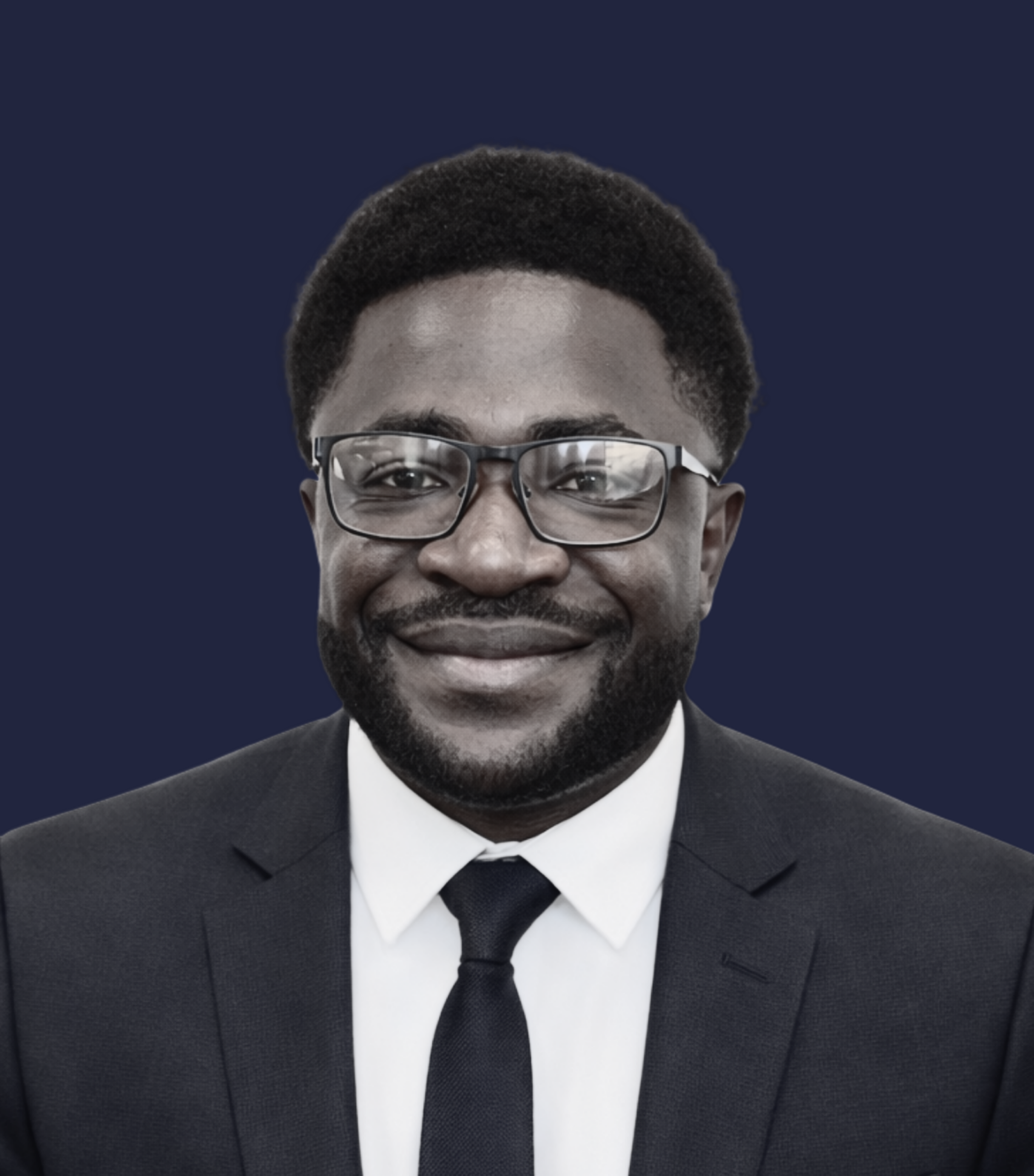
My research interest lies at the nexus between land subsidence, sea level rise, unsustainable groundwater extraction and others geo-environmental hazards in coastal cities and deltas. (Read more on Research Interest below or click on "RESEARCH" above.)

Hold an international Master’s degree in Environmental Engineering that provides me, a multidisciplinary approach that covers the various physical, biological and chemical aspects of natural and anthropogenic systems. (Read more on "Valuable Links" below.)

I am passionate and committed to contribute in findings sustainable solutions to the environmental and developmental challenges. By joining youth and professional organisations, i hope to learn, unlearn, network and collaborate with other people so as to fulfil this mission.
My research interest lies at the nexus between land subsidence, sea level rise, unsustainable groundwater extraction and others geo-environmental hazards in coastal cities and deltas.
My PhD research focus on the vulnerability of coastal cities and mangroves to the combined effects of Land subsidence, relative sea-level rise, unsustainable groundwater extraction and flooding along the low-lying coastland of the Gulf of Guinea in the context of climate change; case study the coastland of Cameroon.
The coast of Cameroon (590 km) is located at the Gulf of Guinea and is known for its low elevation above sea level, making it particularly vulnerable to erosion and sea-level rise. Cameroon’s coast and its extensive mangrove forests (one of the most important in Africa) face many economic pressures, including: encroachment from urban expansion; agro-industrial development; booming port activities; expanding oil and gas exploration and exploitation; and higher levels of pollution associated with these activities. In addition, many rapid growing cities located along the coast (Douala, Kribi, Tiko, Limbe) and neighbouring the mangroves (Duala estuary, Rio Del Rey estuary and Ntem estuary) are currently experiencing alarming coastal erosion rates, frequent flooding and complete loss of land. But till now, there exists no detail investigations on the connection between land subsidence phenomenon sea-level rise, coastal flooding and their present and future impacts on emerging coastal cities and mangroves along the coastline of Cameroon in the context of climate change scenario. Hence, this PhD project aims to investigate, understand and predict the causes, consequences, and coastal vulnerability relative to land subsidence and sea-level rise under climate change scenarios, and further propose mitigation strategies and policies.
To provide a first assessment of the vulnerability of low-lying coastland of Cameroon to relative sea-level rise and to identify crucial knowledge gaps that impede proper coastal risk assessment and development of effective mitigation strategies.
Through the use of satellite-based SAR interferometry analysis, land subsidence rates in the coastal zone will be quantified. Documentary land use data, and satellite soil cover data will be used.
Create site-specific numerical models to project potential future subsidence and assess their impacts on elevation for this century.
To mitigate subsidence and increase sustainability of the Cameroon coastal zone. The strategies will also be applicable in similar coastal settings elsewhere in Africa or the world.

I am a Ph.D. Candidate at the department of Civil, Environmental and Architectural Engineering at the University of Padova, Italy. My research interests encompass land subsidence, sea level rise, groundwater management, coastal flooding and related hazards. I am particularly interested on how these geo-environmental phenomena are connected and contribute to the vulnerability of growing coastal cities and mangroves along the low-lying coastland of the Gulf of Guinea in the context of climate change. I began my Ph.D. at the Environmental Geomechanics Group of the University of Padova under the supervision of professor Pietro Teatini and Philip Minderhoop in December 2022 after being awarded the 38th Cycle Padova University scholarship. Prior to my Ph.D. studies, I received in 2021, a Master in Environmental Engineering (GPA of 3.48/4.00) from National Advanced School Public Works Yaoundé, Cameroon, and an International Master's Degree in Environmental Engineering (GPA of 108/110) from the University of Padova. These two degrees are a fruit of a successful collaboration between the University of Padova and National Advanced School Public Works Yaoundé which started far back in 2010. My Master research focused on the use of hydrogeochemical approach (rock-water-soil interactions) to explain how elements which are nutrients to plants (essential plant nutrients) are generated, mobilised and distributed at the soil horizons, and the further dynamic that contributed to nutrients depletion and low crops yields within sedimentary watersheds with Sahelian climate, and igneous watersheds with sub-tropical climate in Northern Cameroon.


CHOUNNA YEMELE Gergino
Padova, Italy
gergino.chounnayemele@studenti.unipd.it
---
https://www.linkedin.com/in/Gergino_Chounna-Yemele/
Vulnerability of coastal cities and mangroves to the combined effects of Land subsidence, relative sea-level rise, unsustainable groundwater extraction and flooding along the low-lying coastland of the Gulf of Guinea in the context of climate change; case study the coastland of Cameroon.
the use of hydrogeochemical approach (rock-water-soil interactions) to explain how elements which are nutrients to plants (essential plant nutrients) are generated, mobilised and distributed at the soil horizons, and the further dynamic that contributed to nutrients depletion and low crops yields within sedimentary watersheds with Sahelian climate, and igneous watersheds with sub-tropical climate in Northern Cameroon
Introduction to Data Science with Python; Python Programming, MATLAB, Introduction to R, GIS Mapping


It's all about the humans behind a brand and those experiencing it, br we're right there. In the middle performance quick.
Address
Phone